Peace on the Bloody Ground: A Hundred Years of Courage in the “Martyrs’ Tomb” of Bojnourd
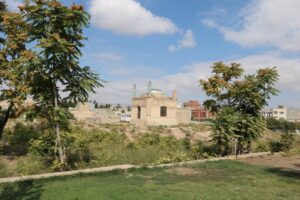
At the heart of Bojnourd’s Javadieh Crossroads, a brick dome and four jewel-like minarets are not just a historical monument; they are silent witnesses to a century of epic history, the preservers of the names of seven martyrs, and the embodiment of resistance against the unbelievable storm of history. Today, exactly a century after those turbulent days, the “Tomb of the Martyrs” more than ever delivers an eternal message of loyalty to the ears of time. Seven lives; against eight hundred people The narrative of this tomb begins on the morning of July 9, 1926, when the heavy shadow of the “Lehak Khan” rebellion hung over the city of Bojnourd. While the wave of chaos shattered the order of the city and many officials and commanders fled the city at
Message from the Director General of Cultural Heritage, Tourism and Handicrafts of North Khorasan on the occasion of Journalist Day
In the name of Allah, the Merciful “The pen, when set on the path of truth, awareness, and hope, constitutes the most lasting asset of a society.” The 17th of Mordad is a reminder of the high status of people who carry out the important mission of raising awareness, making responsible demands, and honestly narrating the facts; people who, with their pen, thoughts, and commitment, build a bridge between people and officials, and by reflecting the truth, pave the way for the growth, trust, and development of society. Journalists and media activists are not just narrators of events; they are the keepers of social memory, creators of hope in society, and companions of development. In the field of cultural heritage, tourism, and handicrafts, the role of the media is also

Hidden Potentials of North Khorasan; Strategic Transition from the “Transit” Model to the “Destination” Model
Abbas Tavakolian, head of the Tourism Services Supervision and Evaluation Department, wrote in a note: “The developments in the tourism industry in the third decade of the 21st century show that the success of a tourism destination is not measured solely by traditional indicators such as “number of passengers” or “development of physical infrastructure.” Rather, the ability to “increase passenger retention rates” and “diversify travel experiences” determines the main contribution of the value chain in the tourism economy. Meanwhile, North Khorasan Province has a high potential for passenger traffic due to its geopolitical location and location in the vital north-east corridor of the country. However, examining performance indicators shows a significant gap between the “traffic rate” and the “retention rate”. This gap indicates the dominance of the “transit tourism” model
Alamut Castle World Registration; Improving Iran’s Tourism SEO!
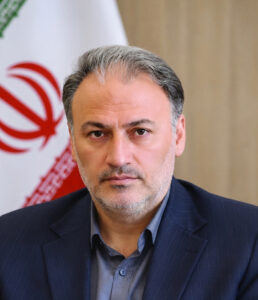
Ahmad Dinari, Director General of Cultural Heritage, Tourism and Handicrafts of North Khorasan Province, wrote in a note: “The registration of the historical castle of Alamut and the associated fortifications on the UNESCO World Heritage List is a means of enhancing the status of a destination in the world’s tourism competitiveness system. With this auspicious event, the number of Iranian monuments registered on the UNESCO World Heritage List has reached 30, a capacity that places Iran among the countries with the richest cultural heritage in the world.” Previously, 29 historical and natural monuments of Iran were registered with UNESCO, including Chogha Zanbil, Persepolis, Isfahan’s Naqsh-e Jahan Square, Takht Soleyman, Bam Citadel Cultural Landscape, Pasargadae, Soltaniyeh Dome, Bisotun Inscription, Armenian Monastic Complex, Shushtar Water Structures, Tabriz Historical Bazaar, Sheikh Safi al-Din